

Why Do Japanese People Say, “Put Yourself in the Other Person’s Place”? — Moving the Observation Point: A Cultural Pattern Found in Japanese Language and Classics
Why do Japanese people say, “Put yourself in the other person’s place”? Exploring Japanese language, classical literature, Yohaku, Wa, and Musubi, this essay reveals a cultural pattern of moving the observation point—from self to other, past to future, and Entity to Relation—and considers what it may offer for the civilization of the future.
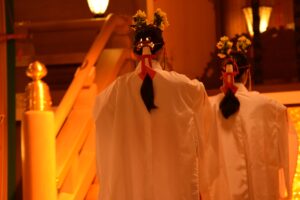
When Silence Is Kindness: What Japanese Myth Teaches Us About Justice
What if justice is not about exposing guilt, but about protecting what must not be broken?
Through the Japanese myth of Ame-no-Wakahiko, this article explores a different moral logic where silence, song, and compassion preserve human bonds beyond verdicts and blame.
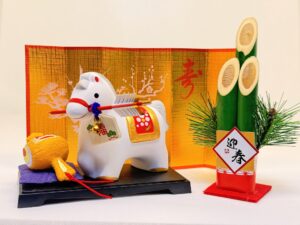
Time Has Meaning : The Japanese Zodiac and the New Year
Discover how Japan understands the New Year through the Japanese zodiac.
This essay explores Eto not as fortune-telling, but as a cultural language for reading time, change, renewal, and quiet hope.

How People Are Brought into Violence― Not by Nature, but by the Way They Enter
What turns ordinary people into agents of violence? This essay explores how the conditions and “entrances” into war shape human behavior, drawing on historical insight, ethical reflection, and the philosophy of Bushido to reconsider responsibility, dignity, and the direction of civilization.