

How People Are Brought into Violence― Not by Nature, but by the Way They Enter
What turns ordinary people into agents of violence? This essay explores how the conditions and “entrances” into war shape human behavior, drawing on historical insight, ethical reflection, and the philosophy of Bushido to reconsider responsibility, dignity, and the direction of civilization.
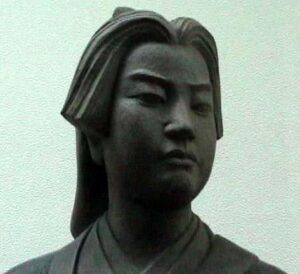
A Silent Promise: Love and Honor in Chūshingura
A quiet love story hidden within Chūshingura. Through silence, restraint, and an unspoken promise, this article explores Japanese ideas of honor, integrity, and moral choice beyond reward or recognition.

Myth as Philosophy: How Ancient Japan Solved the Crisis of Identity
A 1,300-year-old Japanese myth reveals the modern crisis between “the roles we perform” and “the heart we silence.” This article reinterprets the Ame-no-Wakahiko story as a blueprint for rebuilding human-centered civilization.
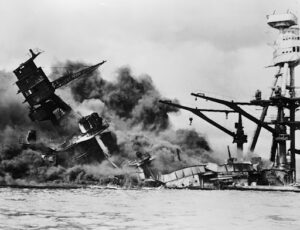
Pearl Harbor Revisited: What We See When We Look Through the Lens of Human Dignity
An in-depth reconsideration of Pearl Harbor through the lens of human dignity.
This essay explores Japan’s overlooked strategic concerns, the global racial order of the early 20th century, the responsibility for Micronesian mandated territories, and how two nations can learn to understand one another beyond blame.
The Turning Point of Civilization: Why the World Is Changing and What We Must Learn
The world isn’t collapsing—it’s transforming. This series explains the shift from ownership and competition to self-reliance, relationality, and co-creation, and why education becomes the heart of the next civilization.
Why Debates Don’t Change the World — and Dialogue Does
Why debates fail to create real change — and why the Japanese tradition of hanashiai (constructive dialogue) offers a powerful blueprint for the future of human civilization.
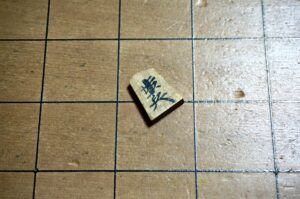
There Are No NPCs in Japan──A Civilization Built on Dignity — Why Japan Rejects NPC Thinking
Why does Japan have no “NPCs”?
This essay explores the Japanese worldview in which every person is a central, irreplaceable life — rooted in the idea of yaoyorozu no kami and expressed beautifully in Emperor Shōwa’s famous words: “There are no weeds.”A cultural philosophy for the resonance-based civilization emerging today.
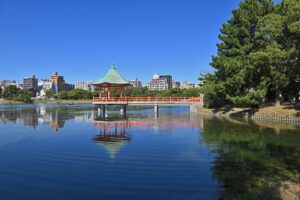
Rethinking Hinkyū Mondōka: A Forgotten Warning from 1,300 Years Ago— Why Okura’s Poem Was Never About Japanese Peasants
A fresh historical reading of Yamanoue no Okura’s Hinkyū Mondōka reveals that the poem depicts the suffering of former Japanese subjects in Kaya under Silla rule—not domestic peasants. An essay on history, daily life, and the moral philosophy Okura sought to convey.

Is 3I/ATLAS a Messenger of Civilization’s Shift? — From the “Black Ships” to the Age of Shirasu
The interstellar object 3I/ATLAS may not be just a comet—it could be a messenger. As humanity awakens from the age of fear and control, a new civilization of resonance and harmony with the cosmos begins to dawn.

Conspiracy Theories and Japan’s Resonant Civilization – Beyond Rationality to a Harmonizing Mind
Explore how Japan’s “resonant civilization” offers a path beyond conspiracy and conflict.
Rooted in harmony, empathy, and autonomous balance, it points humanity toward its next stage of evolution.